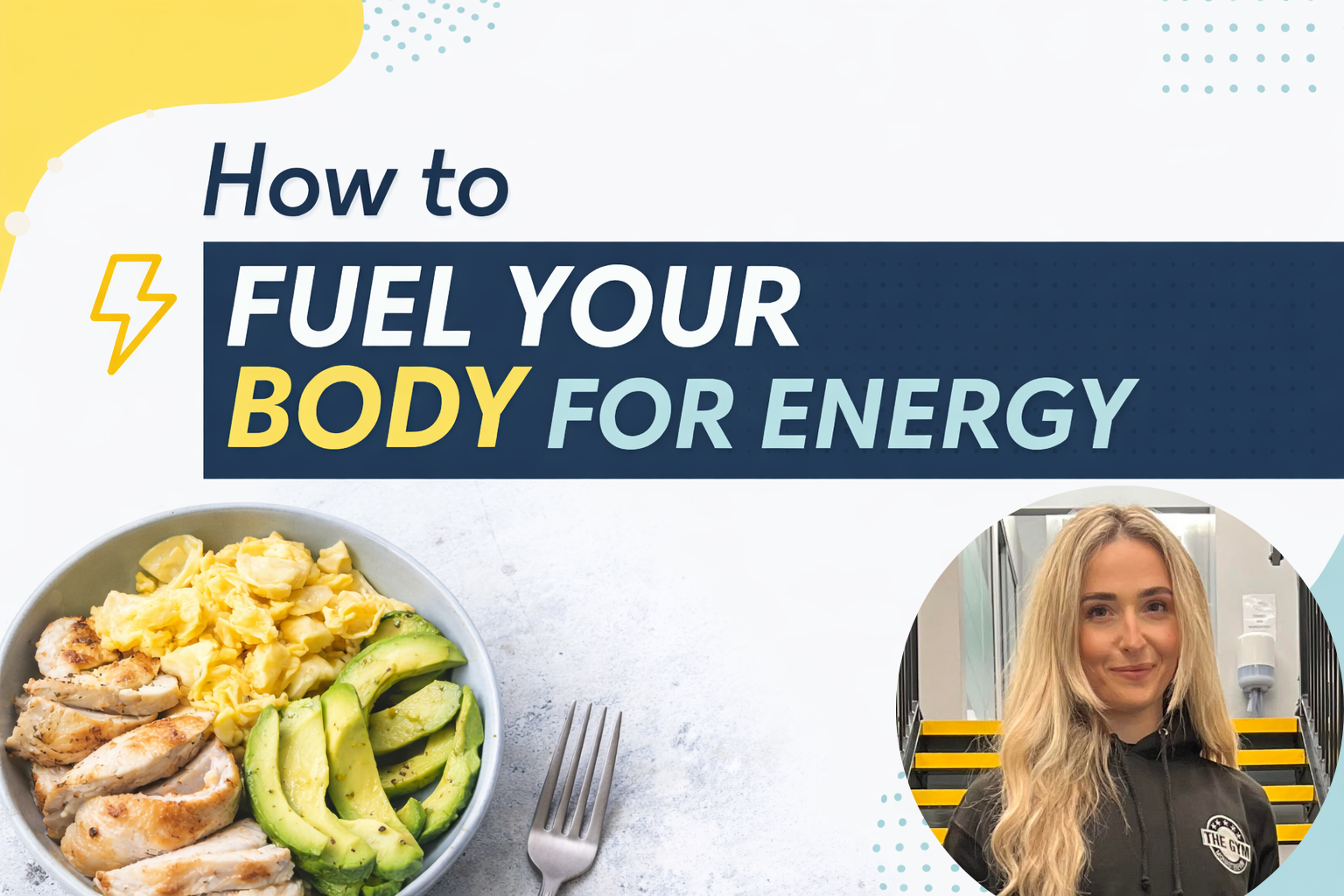
When most people think about nutrition, fat loss is often the main focus.
What to cut. What to avoid. How to eat less.
But here’s something that often gets overlooked:
If your body doesn’t have enough energy, fat loss becomes harder — not easier. Low energy, constant tiredness, poor workouts, mood swings, and cravings are often signs that the body isn’t being fuelled properly. Nutrition isn’t just about changing how you look — it’s about supporting how you feel and function every day.
Why Energy Should Come First
Energy is the foundation of everything:
· Your ability to train well
· Your recovery between sessions
· Your mood and focus
· Your consistency over time
When energy is low, motivation drops, workouts feel harder than they should, and many people end up stuck in a cycle of stopping and restarting. Fueling your body properly helps break that cycle.
Eating Less Isn’t Always the Answer
One of the most common mistakes people make — especially in January — is eating too little while trying to train more. Skipping meals, cutting out carbohydrates, or constantly “being good” can leave the body under-fuelled.
When this happens, the body adapts by:
· Conserving energy
· Increasing hunger and cravings
· Reducing performance and recovery
This isn’t a lack of willpower — it’s biology.
What Fueling for Energy Actually Looks Like
Fueling your body for energy doesn’t mean overeating or having no structure. It means eating enough and eating consistently.
Here are some simple, practical principles to focus on:
1. Eat Regularly
Skipping meals often leads to energy crashes later in the day. Aim to eat every few hours to keep blood sugar and energy levels steady.
2. Build Balanced Meals
A balanced meal usually includes:
· A source of protein
· Carbohydrates for energy
· Some healthy fats
· Fibre from fruit or vegetables
This combination supports sustained energy and helps you feel satisfied.
3. Don’t Fear Carbohydrates
Carbohydrates are your body’s preferred energy source, especially for training. Cutting them too low can leave you feeling flat, weak, and unmotivated in the gym.
4. Fuel Around Training
Eating before and after workouts helps improve performance and recovery. Training on very low fuel can make sessions feel harder and less effective.
5. Listen to Energy, Not Just the Scale
Energy levels, mood, sleep, and how you feel during workouts are all important indicators of progress. Fat loss isn’t the only measure of success.
Why This Matters Long-Term
People who fuel their bodies properly tend to:
· Train more consistently
· Recover better
· Feel more confident in the gym
· Avoid burnout
· Stick with healthy habits for longer
Ironically, focusing on energy first often leads to better body composition results over time — without extremes.
A More Supportive Approach to Nutrition
Nutrition doesn’t need to be perfect to be effective.
It needs to be supportive.
If your body feels constantly drained, restricted, or stressed, that’s feedback worth listening to. Sustainable progress comes from nourishing the body, not fighting it.
A Final Reminder
You don’t need to eat perfectly.
You don’t need to cut everything out.
You don’t need to punish yourself to see results.
Fuel your body well, train with intention, and give yourself time.
Energy isn’t a luxury — it’s the foundation.
And if you’re unsure where to start, speaking to one of our staff or personal trainers can help you find an approach that supports both your energy and your goals.
Author – Natalia Lopes
Personal Trainer @ The Gym Monasterevin
Instagram – natsfitsense
Email – [email protected]